WORKSHOP “The Ideal Digital University of the Future” under the STUDIES-DIG project, with the participation of students from UNWE
As part of the project “Models and Instruments for Transforming Higher Education Systems through Transnational Multi-Sector Links” (STUDIES-DIG), funded by the EU under the Horizon Europe program Marie Skłodowska-Curie Actions, the UNWE research team organized a workshop dedicated to the topic of “The Ideal Digital University of the Future”. The event took place on 29th October 2025 at UNWE as part of the activities under Work Package 2, “Outlining challenges and future development in a multicultural setting” of the project.
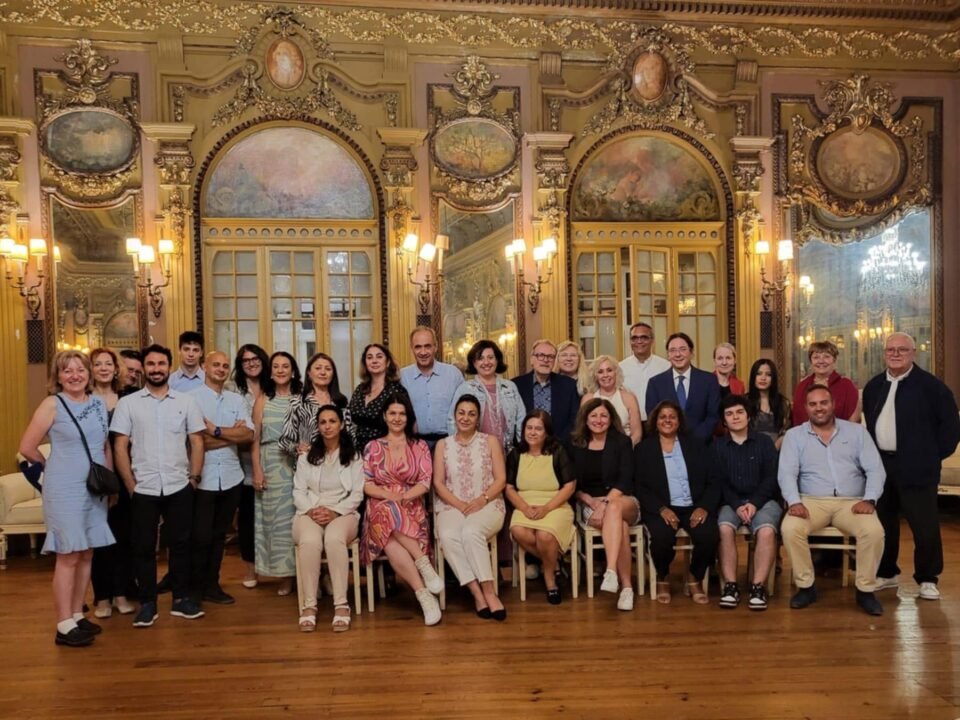
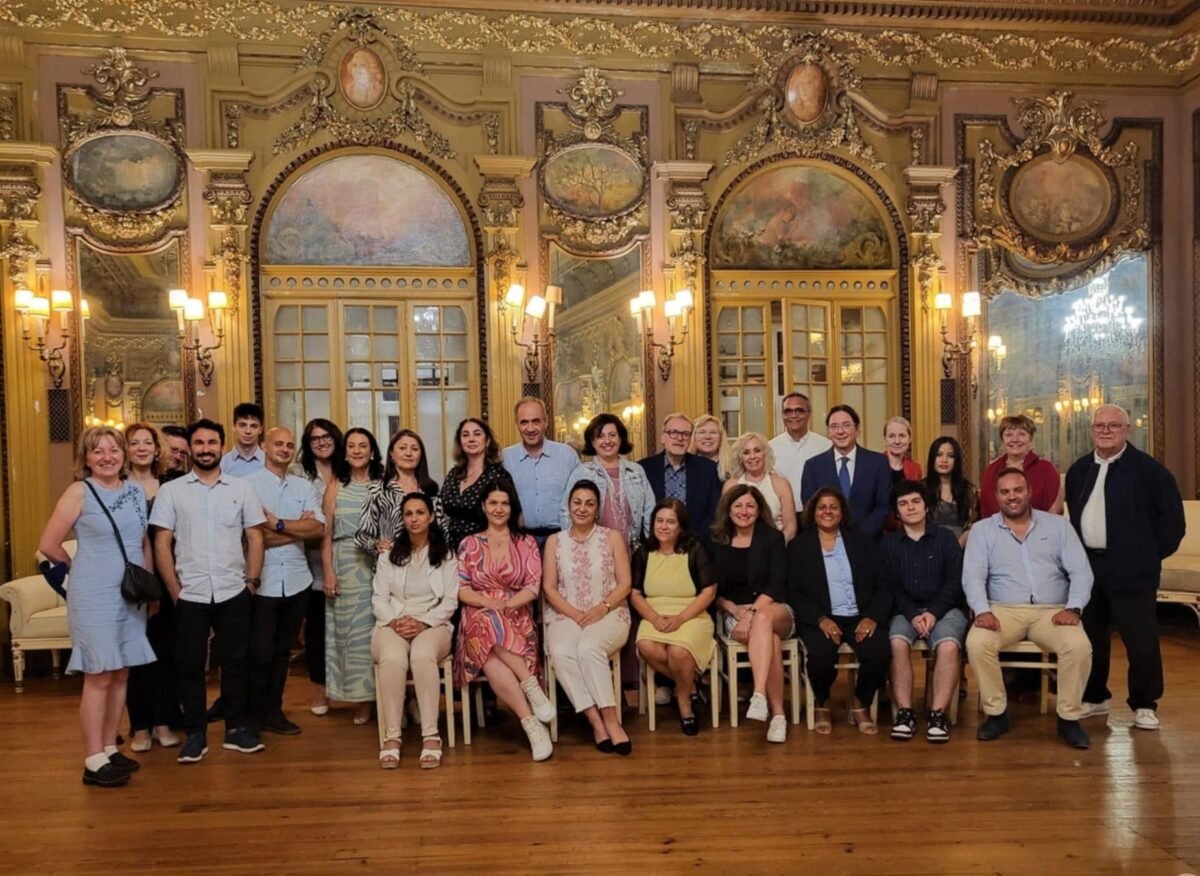
Participants in the workshop included students from the university programs in Data Analysis with Specialized Software, Business Informatics and Communications (English-taught), International Economic Relations, Entrepreneurship, and Public Administration. The workshop was also attended by Ms. Claudia Jorhe and Dr. Ana Torrado, researchers from ESPAP, Portugal, a project partner of UNWE, DSc. Zornitsa Mladenova, researcher and representative of the municipality of Rudozem also a partner in the project, as well as researchers from the project team at UNWE.
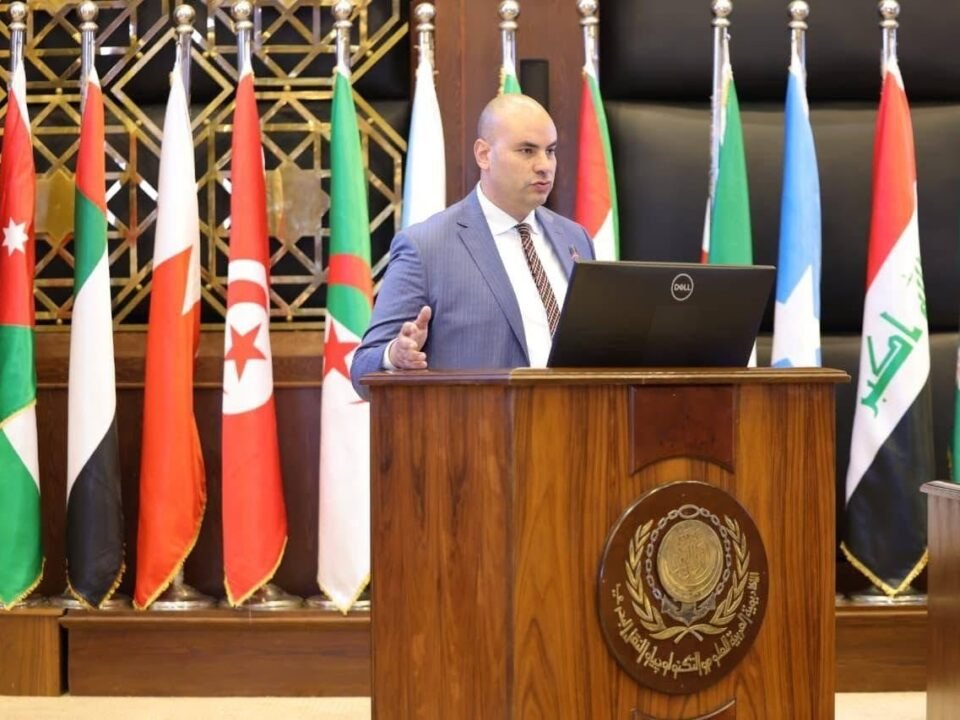
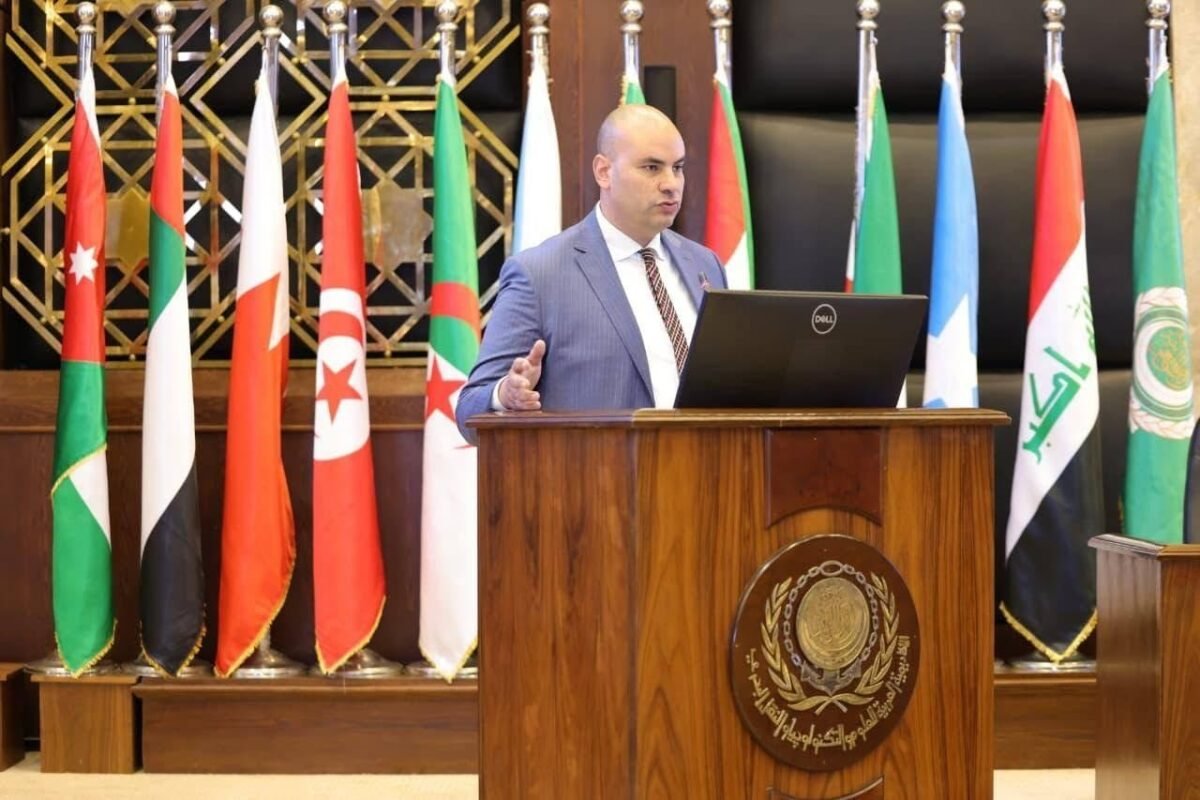
Assoc. Prof. Ekaterina Tosheva, lecturer in the Department of Statistics and Econometrics and member of the STUDIES-DIG research team, officially opened the workshop. She welcomed the participants and emphasized that in the digital age, when society is developing at a rapid pace, investments in education bring significant social and economic benefits. Assoc. Prof. Tosheva briefly presented the project, which aims to study and identify successful contemporary models and tools that can support the transformation of higher education, as well as the sustainable and effective adaptation of higher education systems in the digital era.
In line with the objective of the workshop, the students were divided into five teams named as follows: “Code of the Future,” “Digital Leaders,” “Alpha Knowledge,” and “Ideas in the Network.” Each team had one hour to develop its idea for the vision of the university of the future.
At the end of the workshop, the participants presented their concepts, which impressed everyone with their creativity, inspiration, and innovative approach to digitization in education. The teams focused on ideas for digitizing administrative services at the university, developing modern digital platforms and mobile applications, conducting personalized, interactive, and professionally oriented training, and combining technological progress with human values, social engagement, and maintaining connections between people. Some of the teams proposed university shuttles, bicycle rentals, and “smart” campus management as solutions for a more convenient and effective student life.
According to the students who participated in the project workshop, the ideal university of the future should develop both digital and soft skills, such as leadership, emotional intelligence, and adaptability. In the vision of UNWE students for the ideal digital university of the future, technology should support, not replace, learning, community, and personal development. All students received certificates for participating in the event.
Overall Summary
Across all teams, there’s a shared focus on digital transformation, personalized learning, sustainability, and human-centered innovation.
The university of the future is seen as a smart, connected, flexible ecosystem where technology enhances—not replaces—learning, community, and personal development.
1. Digital Transformation of University Services
Almost every team proposed a unified digital platform or mobile app for managing student life (registration, accommodation, ID validation, exams, transportation, etc.).
Goals: paperless administration, 24/7 access, efficiency, and user-friendliness.
Examples: Digital student cards, online validation, automated systems for accommodation, and e-services.
2. Modern Learning & Teaching Models
Strong advocacy for hybrid and online education supported by digital platforms (Moodle, Teams, or new AI-based apps).
Use of AI assistants for tutoring, evaluation, and summarizing materials.
Gamification and role-based simulations to make learning more interactive and job-relevant.
Extended Reality (XR) technologies for immersive, practical learning experiences.
3. Skills & Human Development
Future universities must nurture both digital skills and soft skills—especially leadership, emotional intelligence, and adaptability.
Students should have individualized curricula aligned with personal goals and market needs.
Psychological and emotional support is integrated into digital dashboards to ensure well-being.
4. Sustainability & Campus Life
Several teams emphasized eco-friendly practices: public transport, university-branded shuttles, bike rentals, and smart campus management.
Healthy lifestyle initiatives: digital canteen menus, time management apps, and sustainability awareness.
5. Social Connection & Inclusion
Importance of preserving human interaction in a digital world: hybrid communities, online clubs, and teamwork platforms.
Support for vulnerable groups and initiatives fostering inclusivity and career support networks.