EU-Funded Research Exchange Strengthens Europe–Morocco Partnership in AI, Digital Transformation, and Innovation
Tetouan, Morocco – July 2026
A successful research secondment under the Horizon Europe Marie Skłodowska-Curie Actions (MSCA) Staff Exchanges program has reinforced scientific cooperation between European and Moroccan institutions while generating new research on artificial intelligence, digital transformation, governance, and digital resilience.
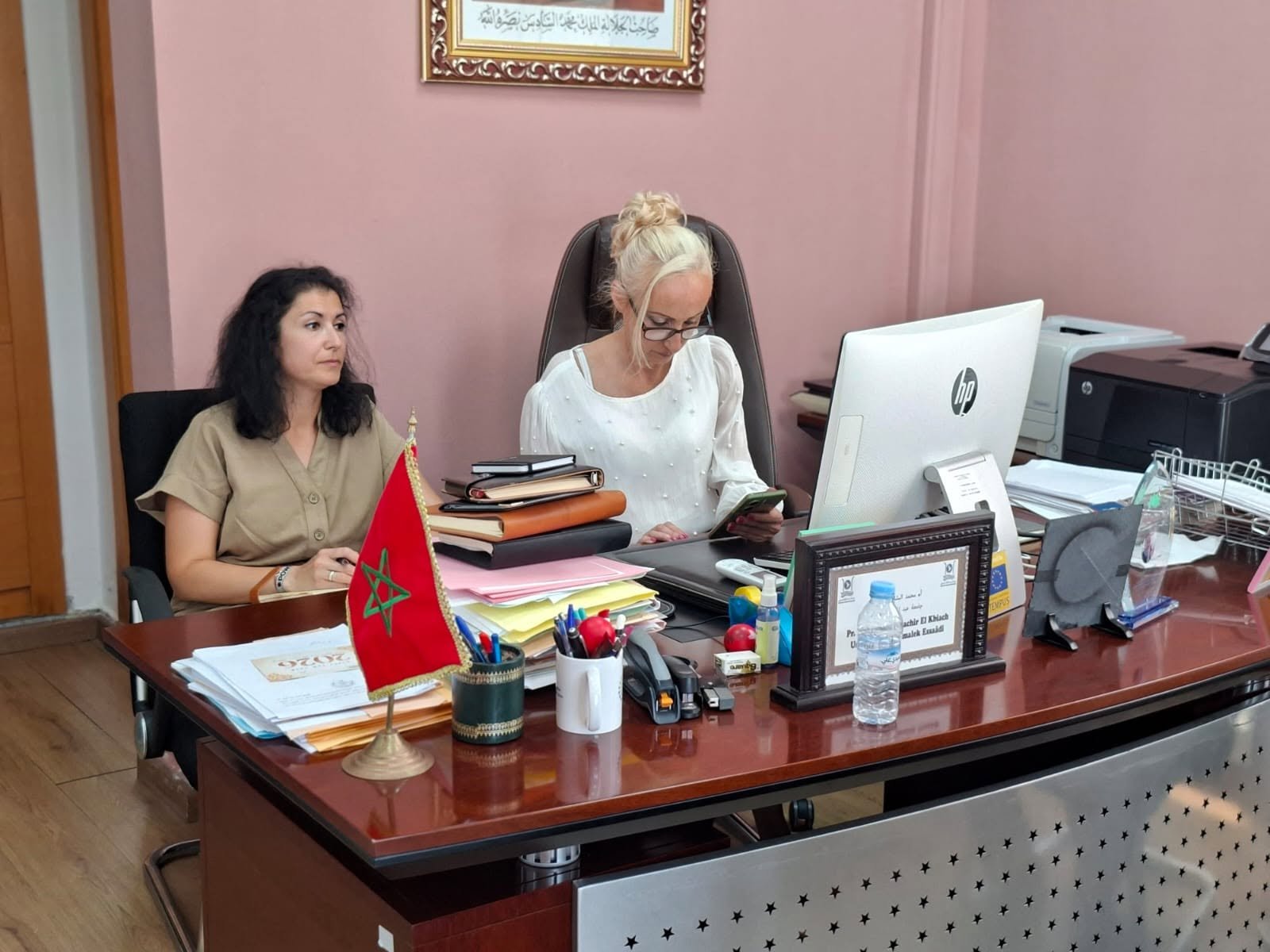
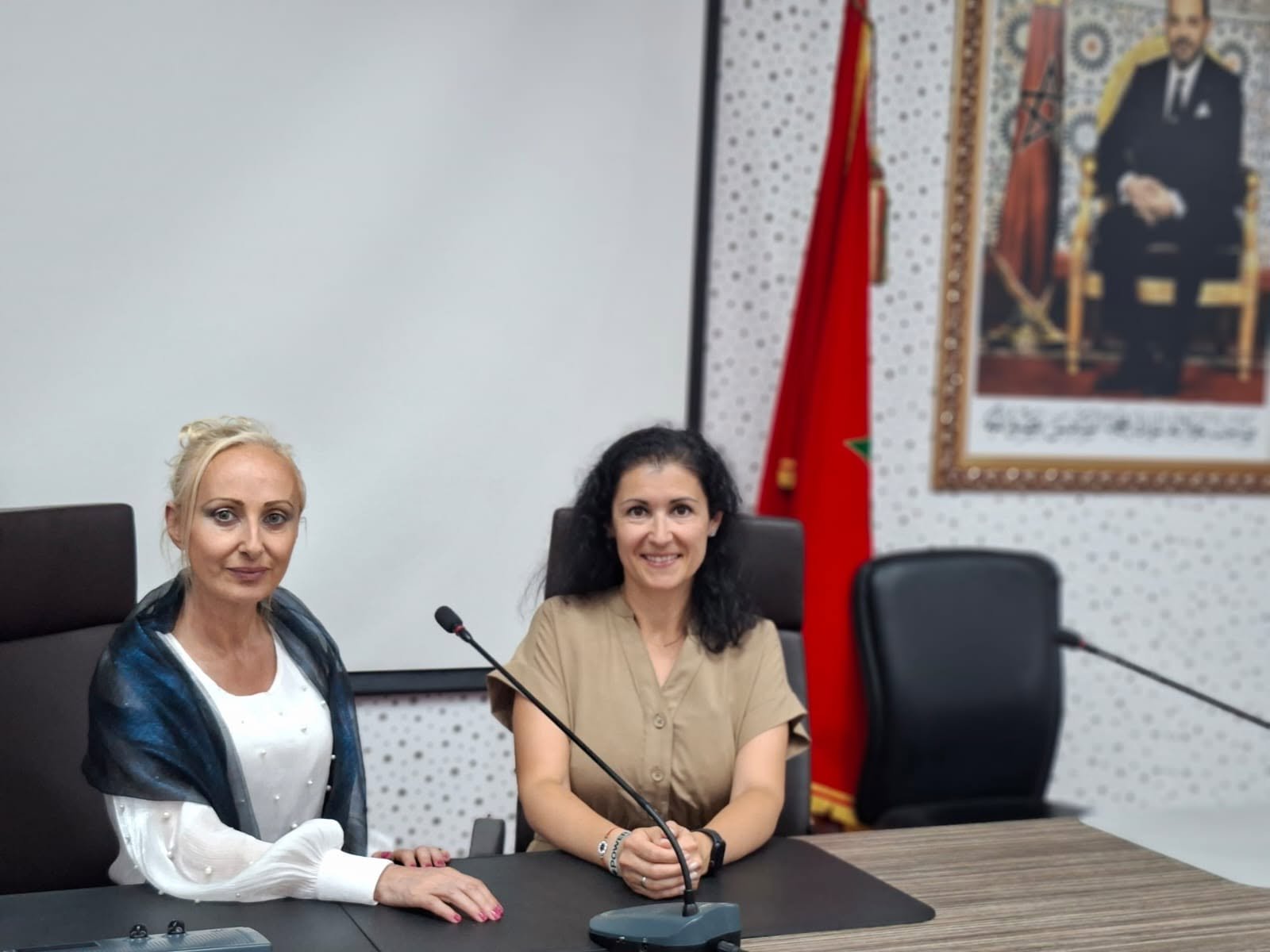
As part of the STUDIES-DIG project (Grant Agreement No. 101131544), Dr. Zornitza Plamenova Mladenova, D.Sc. (Municipality of Rudozem, Bulgaria) and Dr. Bianka Valerieva Tosheva-Pesheva (University of National and World Economy, Bulgaria) completed a one-month research mobility at Université Abdelmalek Essaâdi in Tetouan, Morocco.
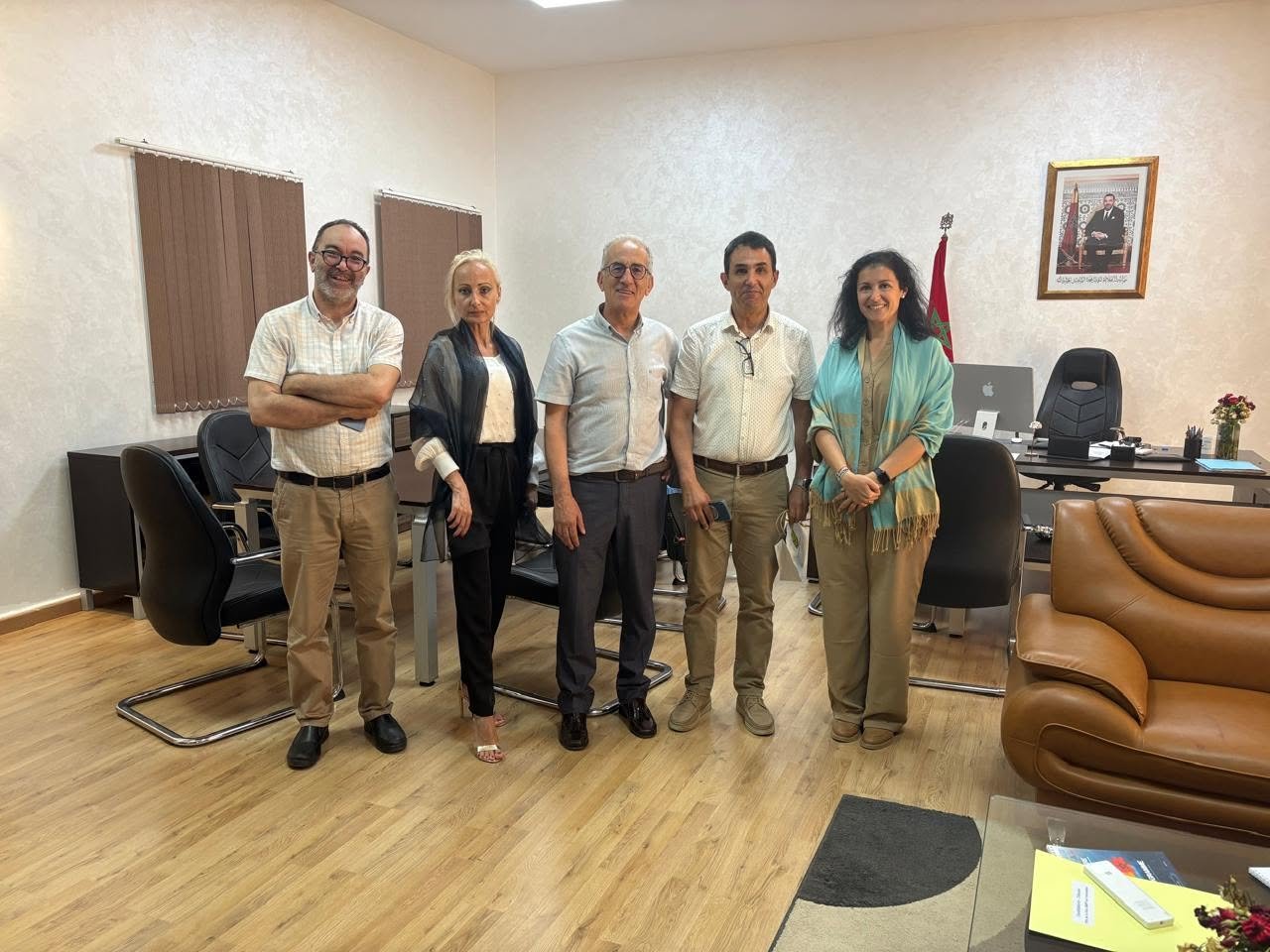
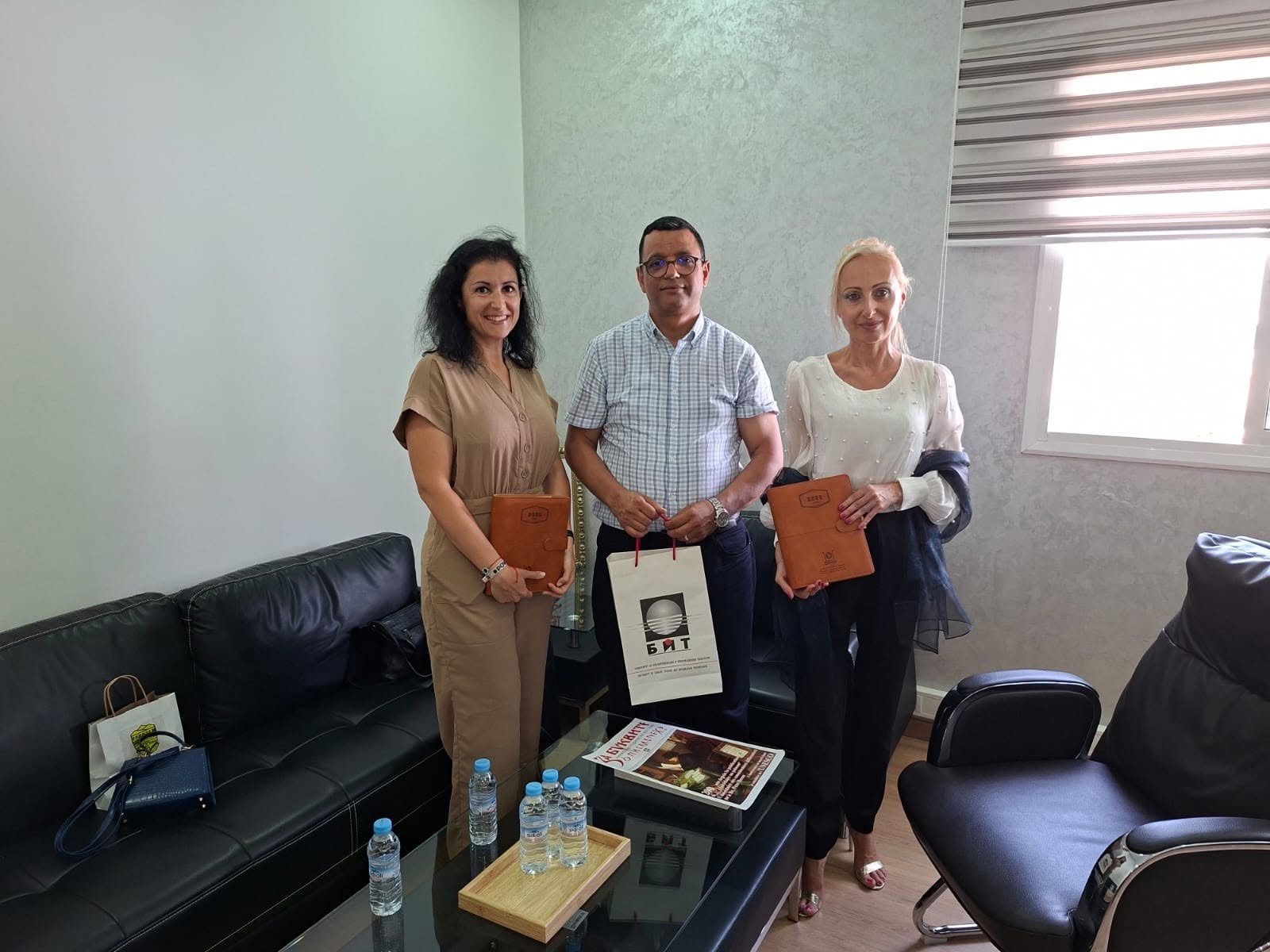
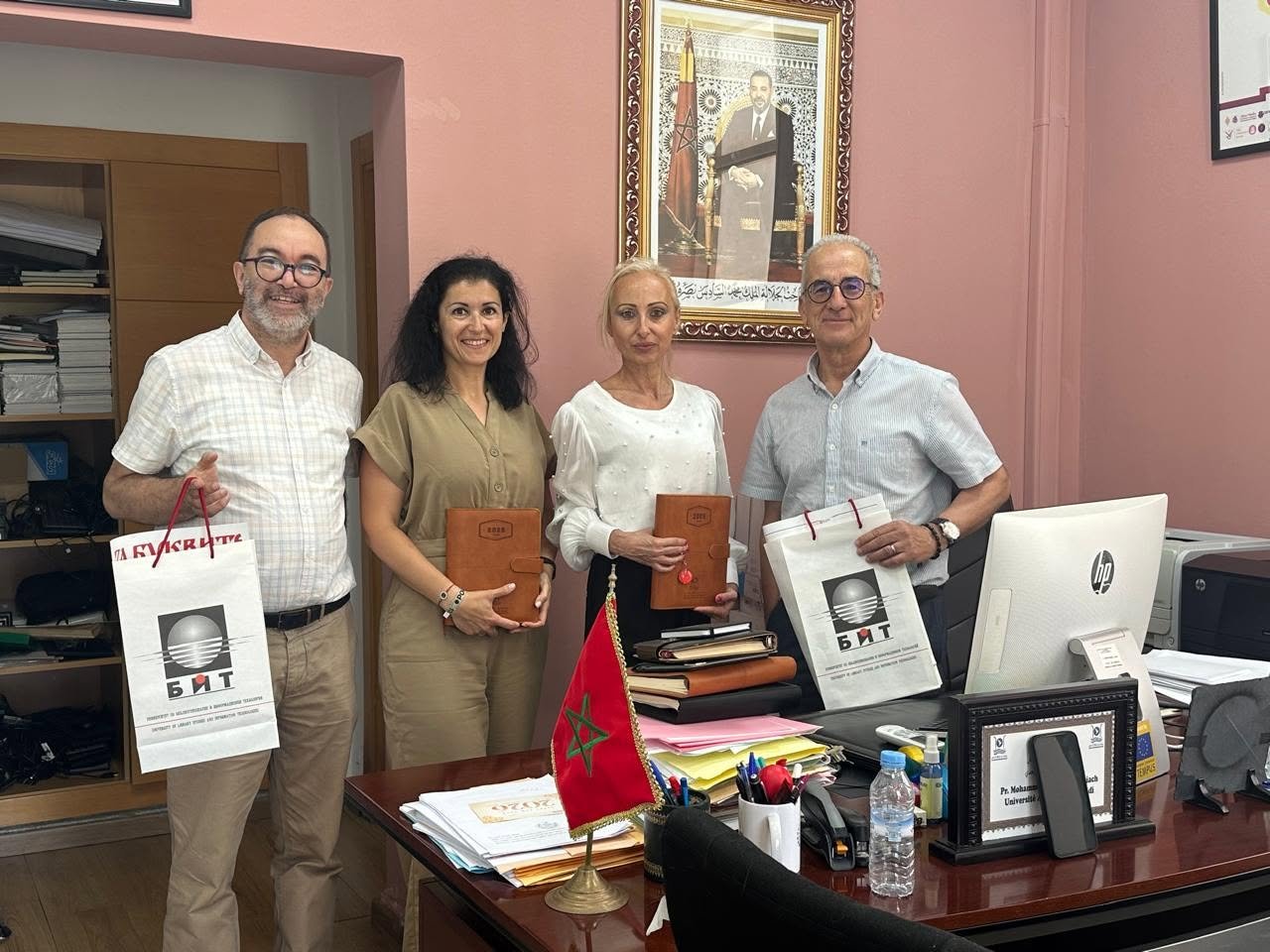
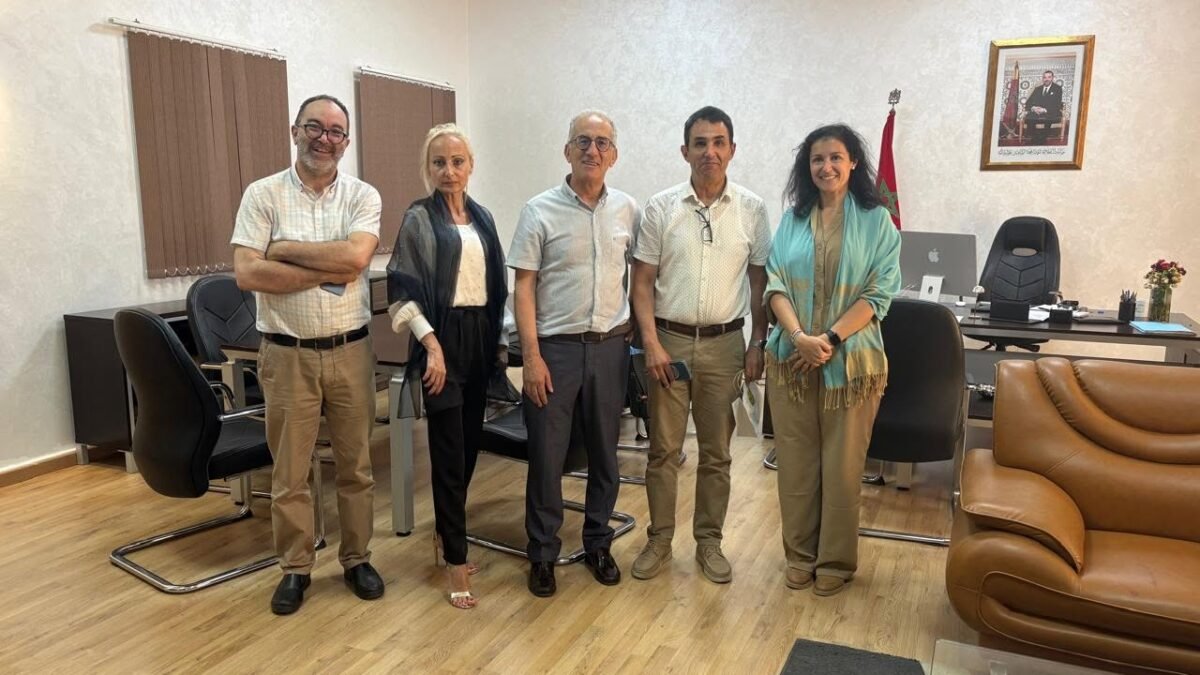
The secondment began with a series of high-level institutional meetings at Université Abdelmalek Essaâdi (UAE), reaffirming the partners’ shared commitment to the successful implementation of the STUDIES-DIG project and the long-term sustainability of international research cooperation. The researchers met with Prof. Mohammed l’Bachir El Kbiach, Prof. Jamal Eddine Stitou El Messari, Prof. Youssef El Alami, Vice President of the UAE, and Prof. Ahmed El Mers, Vice-Rector of the National School of Applied Sciences (ENSA). Discussions focused on the implementation of the MSCA Staff Exchanges project, future joint research initiatives, institutional development, knowledge transfer, collaborative publications, and new opportunities for researcher mobility between Europe and Morocco.
The academic exchange was further enriched through meetings with Moroccan consortium members who had previously completed secondments in Bulgaria. In Rabat, the researchers held productive discussions with Prof. Mohamed Benmhamed, Prof. Elhoussaine Ouabida, and Prof. Said Thatek, reflecting on the scientific achievements of previous mobility periods and identifying new opportunities for collaborative research and institutional cooperation. The meetings also included Dr. Bouchra El Bakkouri, who is preparing for her forthcoming MSCA secondment in Bulgaria. Drawing on their own mobility experience, the Bulgarian researchers shared practical recommendations on academic integration, research planning, institutional procedures, and intercultural collaboration, contributing to knowledge transfer, capacity building, and the continuity of expertise across the MSCA Staff Exchanges network.
The mobility also strengthened cooperation with public institutions through meetings with Madame Mounya Houssini, the General Secretary of the Municipality of Martil, during which discussions focused on municipal digitalization, local governance, sustainable development, and opportunities to enhance collaboration between universities and local authorities. These exchanges reinforced the project’s objective of connecting scientific research with evidence-based policymaking and practical solutions for digital transformation at the local level.
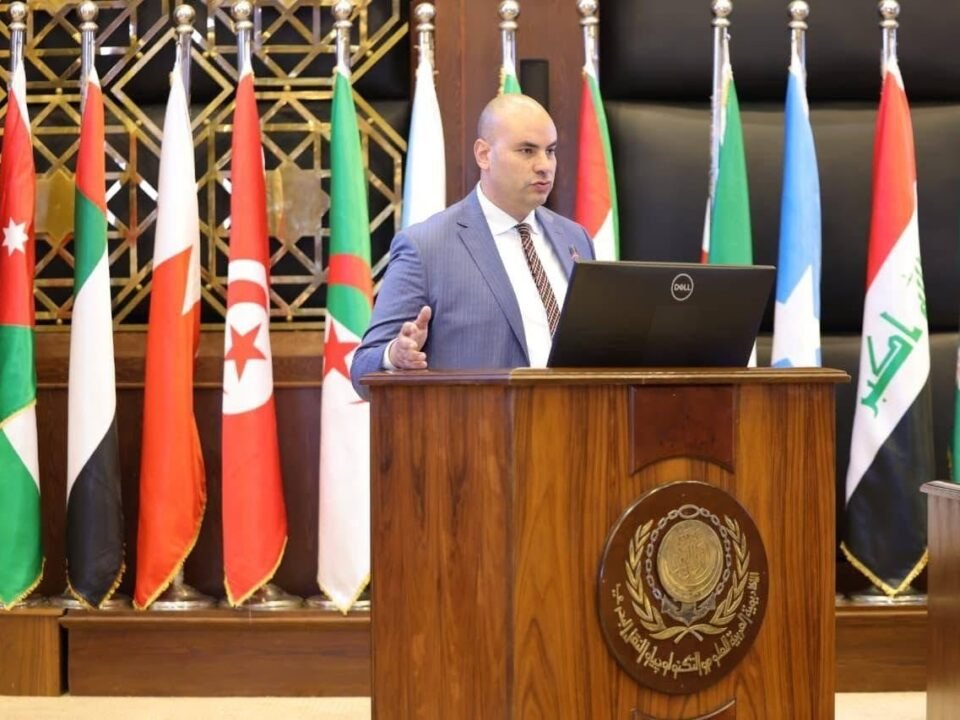
During their stay in Morocco, the researchers also participated in the Third Business Forum, entitled “Public Policies as a Tool for Developing Small Enterprises and Improving the Business Climate Amid Global Transformations,” held in Tangier. The forum was held at the invitation of Balbzioui Alaoui Chaibia, President of AFEM (Association des Femmes Cheffes d’Entreprises du Maroc), and brought together business leaders, policymakers, and academics to discuss strategies to strengthen entrepreneurship, improve the business environment, and foster sustainable economic development.
The secondment also produced comparative research on digital transformation in higher education, highlighting common challenges faced by Morocco and Bulgaria, including cybersecurity, misinformation, online harassment, and digital resilience. These findings will contribute to future policy recommendations and strengthen evidence-based approaches to digital governance.
The secondment fostered interdisciplinary collaboration with Moroccan researchers and stakeholders, focusing on artificial intelligence, digital governance, cybersecurity, higher education, and sustainable development. The exchange strengthened institutional partnerships and promoted the sharing of knowledge and best practices between Europe and North Africa.
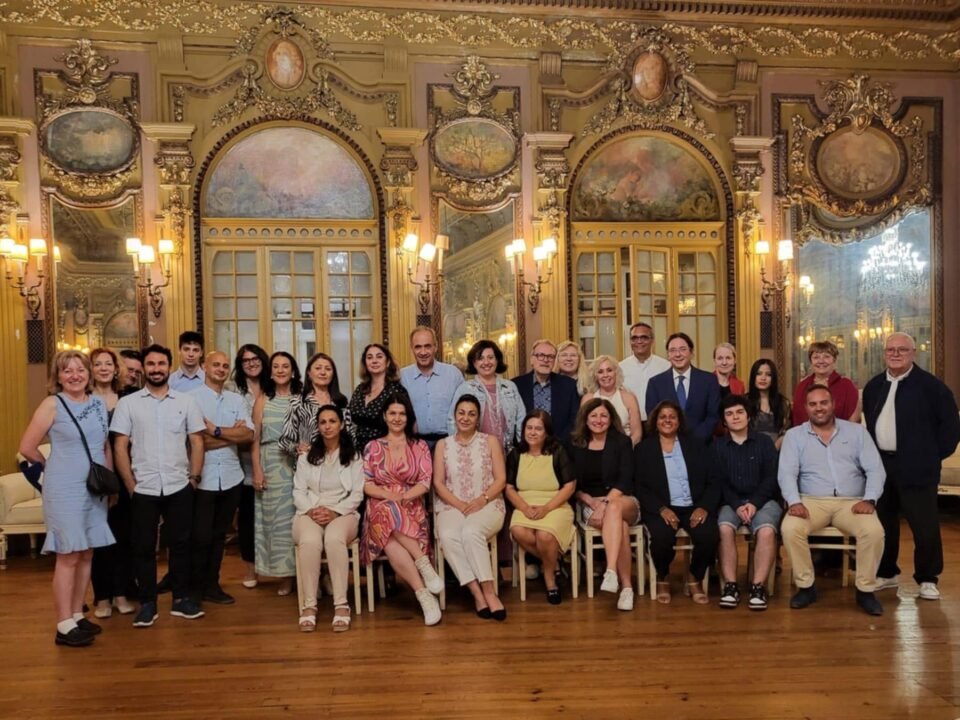
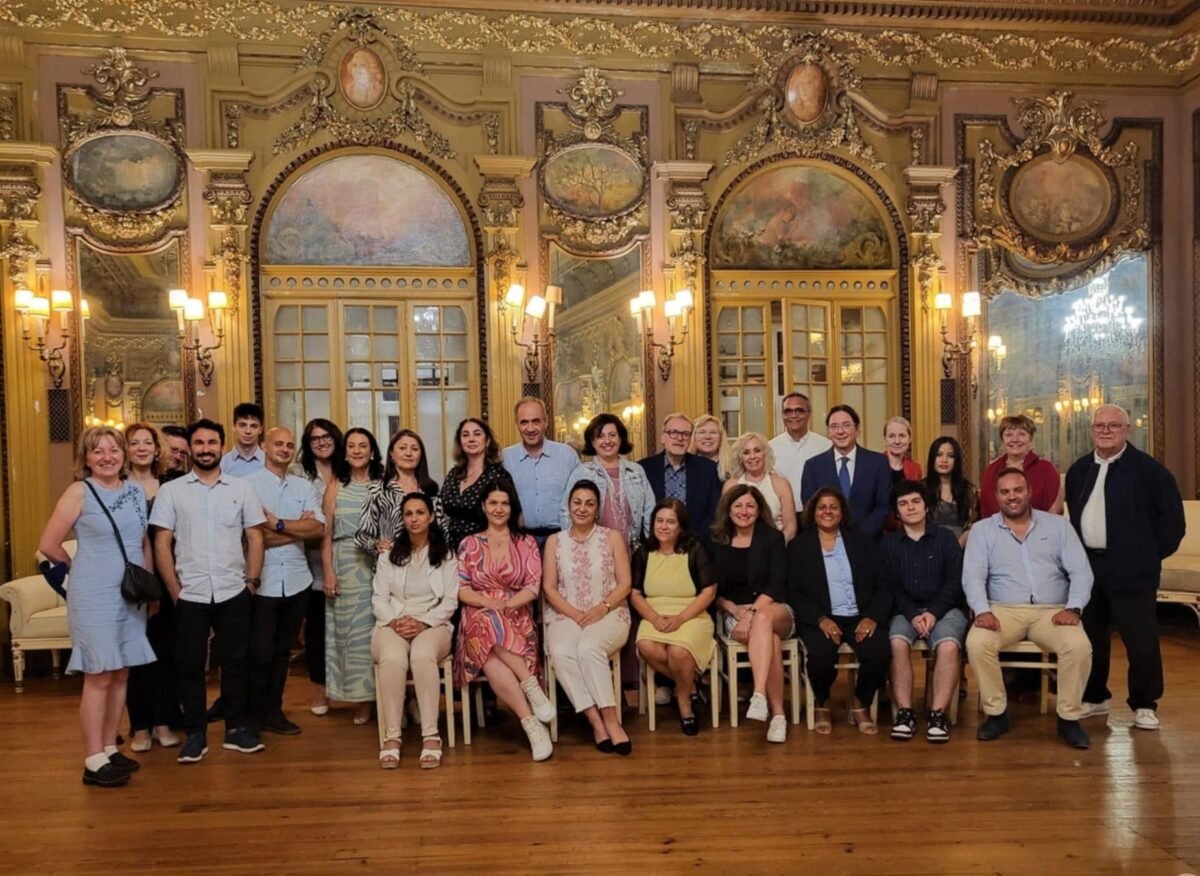
A major outcome of the mobility was the completion of four scientific papers, accepted for presentation at the FUTURES 2026 International Conference, hosted by the Luxembourg School of Business. The conference is organized in collaboration with the University of California, Riverside (host of FUTURES 2027), ITMA, ISCSP – Universidade de Lisboa, and Iscte – University Institute of Lisbon, with publication opportunities through Springer and Taylor & Francis. The papers explore emerging issues in AI-driven governance, digital diplomacy, sustainable tourism, and European governance.
By combining scientific excellence, international collaboration, and stakeholder engagement, the STUDIES-DIG project continues to demonstrate the value of researcher mobility in addressing global challenges and building sustainable partnerships between Europe and Morocco.
About the Project
The STUDIES-DIG project (Grant Agreement No. 101131544) is funded by the European Union under the Horizon Europe Marie Skłodowska-Curie Actions (MSCA) Staff Exchanges program. The project promotes international collaboration on digital transformation, artificial intelligence, governance, digital risks, and societal resilience through interdisciplinary research and researcher mobility.
Funded by the European Union under the Horizon Europe Marie Skłodowska-Curie Actions (MSCA) Staff Exchanges program. Views and opinions expressed are those of the authors only and do not necessarily reflect those of the European Union or the European Research Executive Agency.